Professional Stump Grinding
It All Begins Here
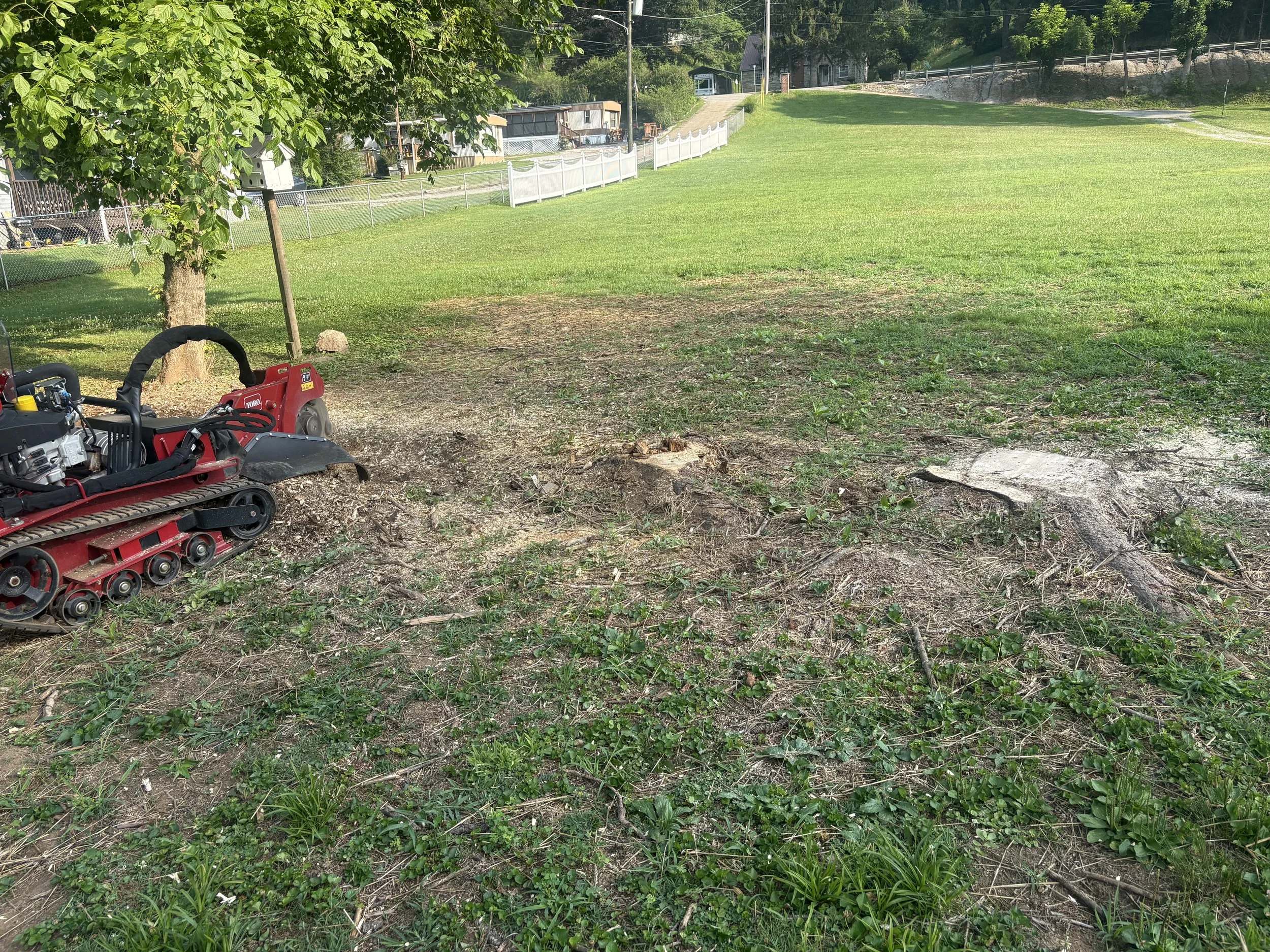
Leftover stumps can make your yard difficult to use and invite pests, disease, and unwanted regrowth. Stump grinding removes the visible stump and major roots below ground, creating a cleaner, safer, more usable outdoor space.
Benefits include:
Improved curb appeal
Safer spaces for family and visitors
Easier mowing and lawn maintenance
Reduced risk of pests and disease
More room for landscaping or new plantings
Faster, cleaner results than full stump removal
Contact Grishabers Arbor Care LLC for a professional stump grinding estimate.
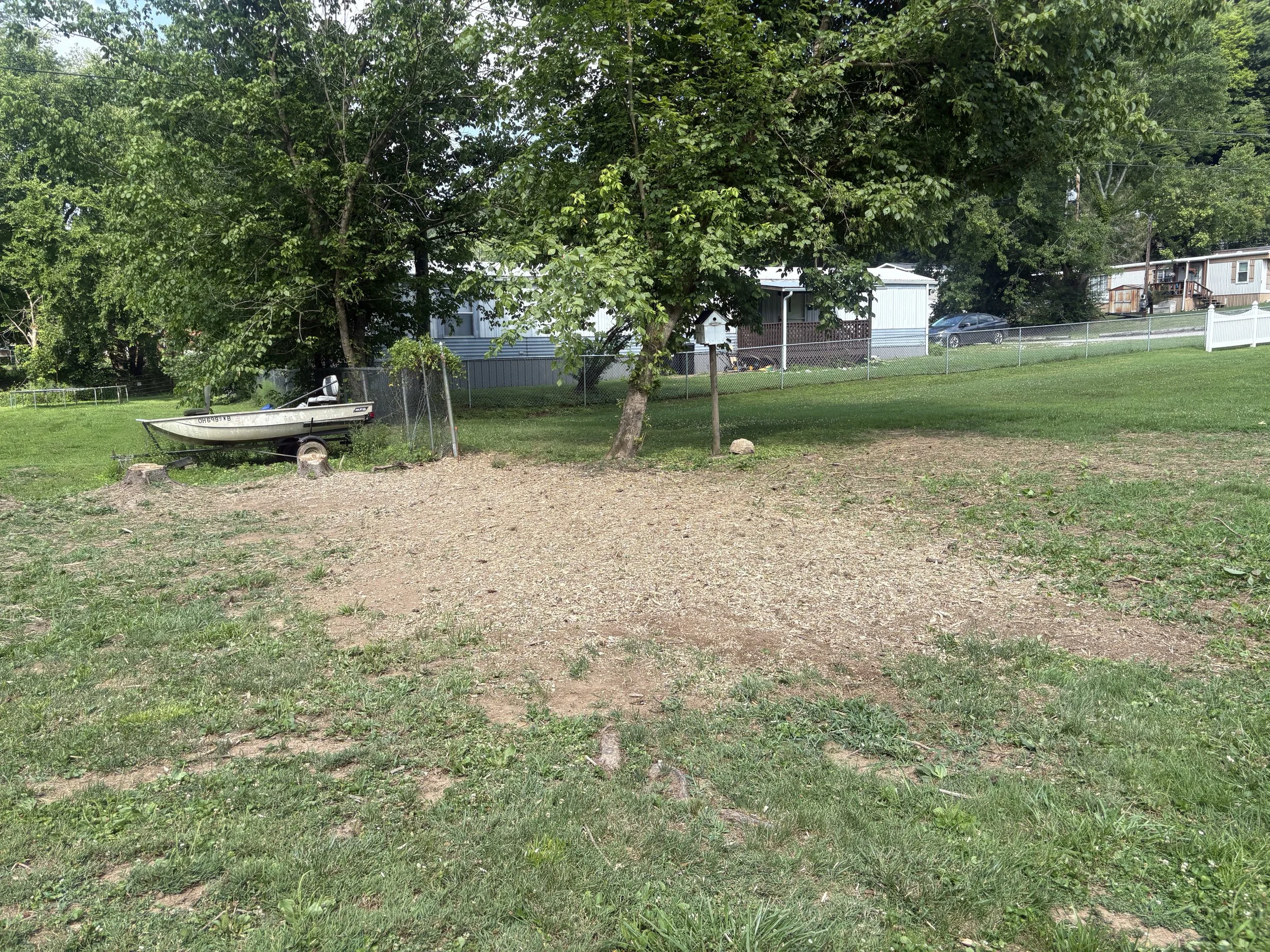
After the grinding is done and your stumps are gone
the Before of six stumps we removed
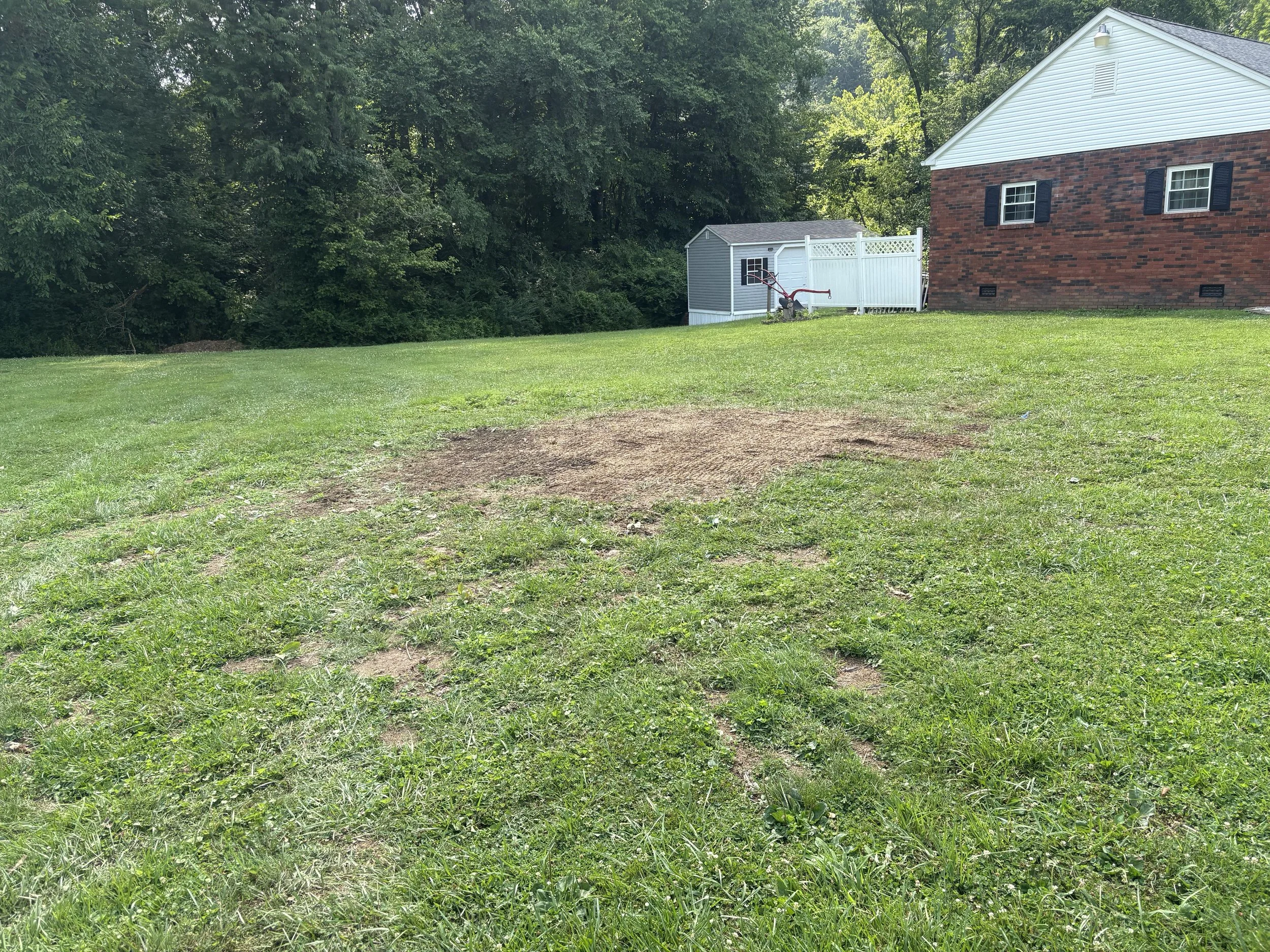
Once the stump is ground out, the area can be filled with the resulting wood chips or fresh soil and leveled to match the surrounding yard. The space can then be reseeded, covered with sod, landscaped, or prepared for a new tree or garden bed. Removing the stump improves safety, reduces tripping hazards, prevents unwanted regrowth, and makes mowing and yard maintenance easier.
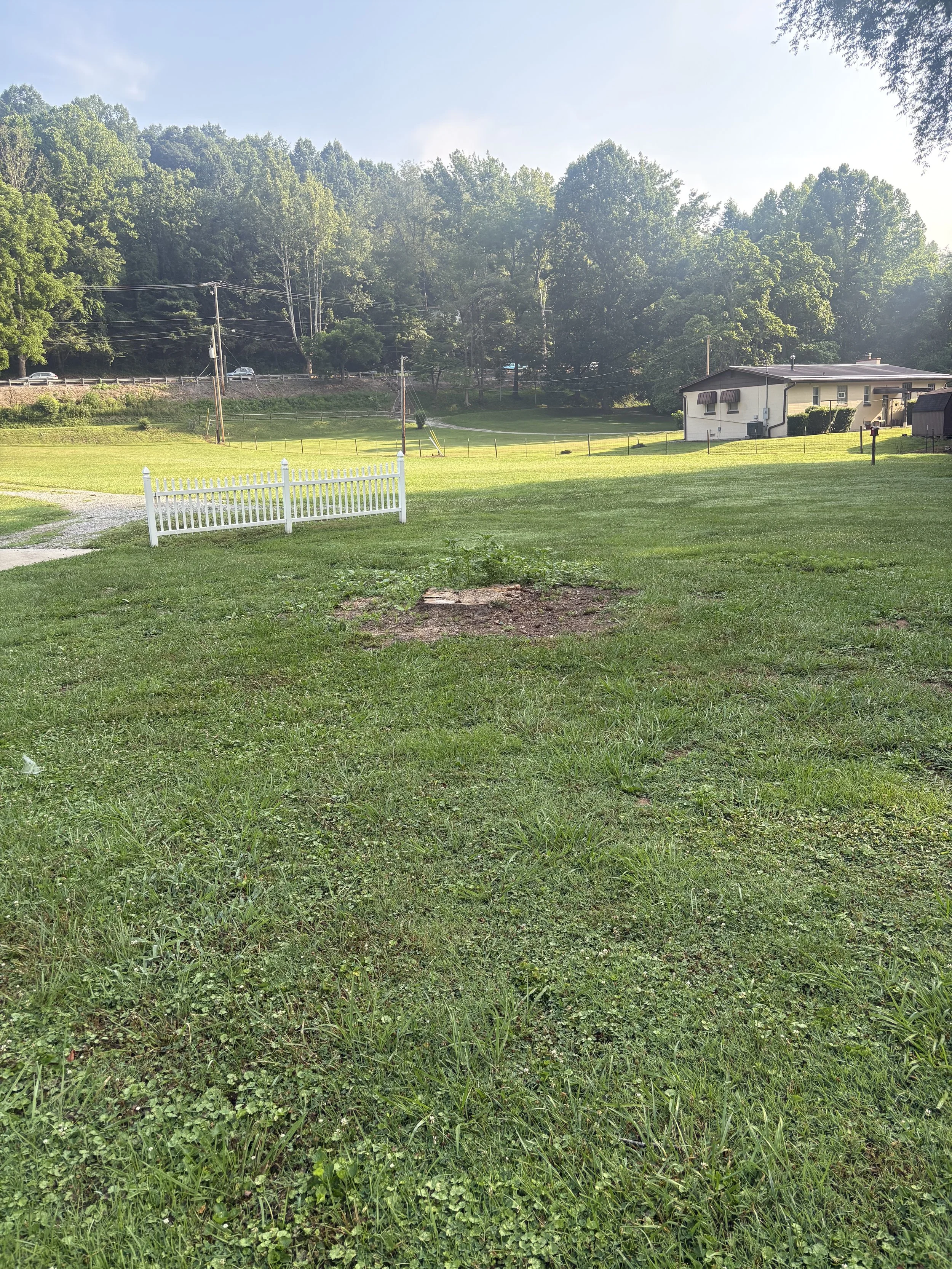
Making room for something more
It All Begins Here
After a stump has been ground below the surface, the cleared space can become the starting point for a fresh yard project. Instead of working around an old obstacle, you can plan a space that better fits the way your family uses the property.
Consider planting a fruit tree that provides shade, seasonal beauty, and fresh produce. Create a new garden bed filled with flowers, herbs, or vegetables. For families, the area may become a level foundation for a child’s play set or another outdoor activity space.
With the remaining chips removed or blended with suitable soil, the ground can be prepared for new landscaping. A professional stump grinding job helps transform unused space into a cleaner, more functional part of the yard—ready for a project that adds beauty, enjoyment, and value to your outdoor area.
Preventive Tree Care Matters
It All Begins Here
Routine yard work is an excellent opportunity to check the health and safety of the trees around your property. Look for dead or hanging branches, cracked limbs, weak branch connections, peeling or loose bark, mushrooms near the trunk, exposed roots, soil movement, unusual leaning, and signs of insects or disease. These conditions may indicate stress or structural weakness that could worsen over time.
Pay close attention after strong winds, heavy rain, ice, lightning, or other severe weather. Storm damage is not always easy to see from the ground. A branch may remain attached while being weakened, and cracks or damaged roots can create hazards later. Keep trees, branches, and roots away from roofs, driveways, fences, play areas, and utility lines whenever possible.
Professional tree inspections provide a more detailed evaluation than a routine visual check. A qualified tree care professional can examine the trunk, canopy, major limbs, root zone, and surrounding conditions. They can identify signs of decay, disease, pest activity, poor structure, or unsafe growth and recommend practical steps such as pruning, cabling, treatment, monitoring, or removal when necessary.
Regular inspections are especially valuable for mature trees, trees near buildings, and trees that have experienced storm damage or changes in soil conditions. Inspection timing can depend on the tree’s age, species, location, and overall condition, so a professional can help create a maintenance schedule suited to your property.
Preventive tree care protects your home, family, vehicles, landscaping, and the trees themselves. Addressing small concerns early may reduce the chance of emergency work, expensive property damage, or avoidable tree loss. Add professional tree inspections to your routine yard maintenance plan to keep your outdoor spaces safer, healthier, and better prepared for the seasons ahead.